Yellow Cloth: A Playful Font for Creative Projects
There's a certain warmth that comes with a hand-lettered design. It feels personal, crafted, and full of character. In a digital landscape often dominated by clean, geometric sans-serifs, a font like Yellow Cloth offers a refreshing touch of human artistry. This isn't just another typeface; it's a tool designed to inject personality and a playful spirit into your work, making it particularly effective for projects that aim to connect on an emotional level. Think of the whimsical typography in a beloved children's book or the inviting script on a handmade greeting card—that's the kind of engaging feel this style can help you achieve.
Capturing a Whimsical and Artistic Vibe
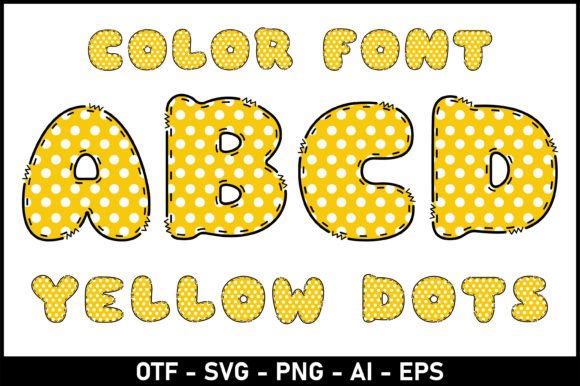
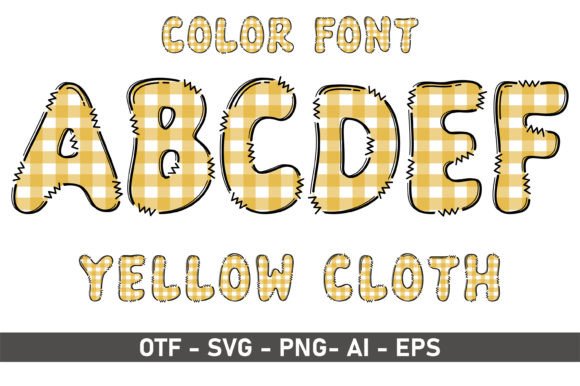
Yellow Cloth is a display font characterized by its playful, artistic, and slightly textured appearance. Its visual appeal lies in its ability to mimic the organic imperfections of hand-lettering, giving each character a sense of movement and life. This quality makes it far from sterile; it feels approachable, creative, and full of energy. The font's design naturally draws the eye, making it an excellent choice for headlines, logos, and any element where you want to make a memorable first impression. Its aesthetic bridges the gap between the casual charm of a handwritten font and the structured clarity needed for professional design, offering a versatile tool for creators.
The true strength of a creative font like this is its ability to set a specific tone. For a children's book, it creates an immediate sense of fun and adventure. For a bakery's branding, it suggests warmth and homemade goodness. For a social media graphic promoting a workshop, it feels inviting and creative. It's a typeface that doesn't just present words; it communicates a feeling, which is invaluable for building a brand identity that resonates with your audience.
Practical Applications Across Creative Fields
The versatility of Yellow Cloth extends across numerous design disciplines. Its character makes it a valuable asset for both digital and print projects, helping to create a cohesive and engaging visual experience.
Building a Memorable Brand Identity: For small businesses and entrepreneurs, especially those in creative, artisanal, or child-focused markets, this font can become a cornerstone of brand recognition. Imagine it on the logo for a craft brewery, the packaging for organic baby food, or the header of a lifestyle blog. It immediately communicates a brand personality that is friendly, authentic, and creative. Using it consistently across your website, social media profiles, and print materials helps build a strong, recognizable visual identity.
Enhancing Print and Digital Marketing: The font's playful nature makes it ideal for marketing assets that need to stand out. Use it for eye-catching posters, engaging social media graphics, and memorable invitations. It can bring life to event flyers, webinar announcements, and email headers. In packaging design, it can help a product feel more personal and curated on a crowded shelf, telling a story before the customer even reads the description.
Creating Engaging Content and Merchandise: Content creators and publishers can leverage its whimsical style to design compelling book covers, magazine layouts, and editorial headers that draw readers in. For those selling digital products like planners, worksheets, or printable art, this font adds a high-value, artistic touch. It's also perfect for merchandise like t-shirts, mugs, and tote bags, where a unique typographic statement can be the main design element.
Pairing and Practical Considerations
While a display font like Yellow Cloth is fantastic for impact, thoughtful implementation is key to maintaining professionalism and readability. Here’s how to use it effectively:
- Font Pairing is Essential: Avoid using this font for long blocks of body text. Its strength is in headlines and short phrases. Pair it with a clean, simple sans serif font or a classic serif font for your supporting copy. This contrast ensures your main message pops while the rest of your content remains easy to read. For example, a bold Yellow Cloth headline paired with a legible sans-serif like Open Sans or Lato creates a balanced and modern typography hierarchy.
- Consider the Context: Always test your font choices within the context of your entire project. How does the Yellow Cloth typeface look on a mobile screen versus a printed poster? Does its playful nature align with the serious tone of your financial consulting website? Matching the typography to your project goals is crucial for effective visual communication.
- Understand the Technical Specs: It's important to know the font's compatibility. The black version of this font is designed to work seamlessly with cutting machines like Cricut Design Space, making it a great design asset for crafters creating custom decals, signs, and apparel. However, the color version—which includes its textured, artistic flair—has more specific requirements. It functions in professional design software like Adobe Photoshop, Illustrator, Silhouette Studio, and Inkscape, but is not compatible with Cricut for color projects. Always check the included documentation, such as an Ultimate Font Guide, for clear usage instructions.
Making the Right Choice for Your Project
Choosing a font is a strategic decision that impacts how your message is received. A premium font like Yellow Cloth offers more than just letters; it provides a designed personality. Before integrating it, review all the included font styles and weights to understand the full range of its capabilities. If your project is commercial, ensure you have the appropriate licensing for your intended use, whether it's for client work, merchandise sales, or digital products.
Ultimately, the best typography choices are those that serve your story and connect with your intended audience. Yellow Cloth offers a specific, valuable aesthetic: one of creativity, warmth, and approachable artistry. By applying it thoughtfully—in the right contexts, with complementary fonts, and with a clear understanding of its strengths—you can elevate your designs from simply being seen to truly being felt, creating a lasting impression that strengthens your brand and engages your community.