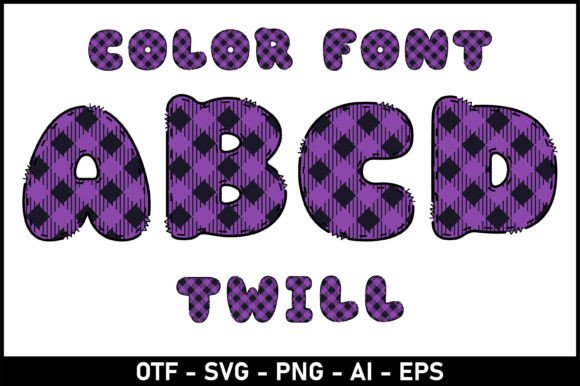
Twill: A Playful Font for Creative Branding
Finding the perfect typeface often feels like searching for a missing puzzle piece. You have a vision for a design—maybe it’s a logo, a set of social media posts, or packaging for a new product—but the standard fonts just don’t capture the right mood. When a project calls for something with a bit more personality, a touch of whimsy, and a handcrafted feel, a creative font like Twill can be the answer. It’s a typeface that doesn’t just spell out words; it conveys a specific artistic vibe, making it a valuable asset for designers, entrepreneurs, and creators aiming for a memorable visual impact.
More Than Just Letters: The Visual Appeal of a Handcrafted Typeface
At its core, Twill is a display font designed to stand out. Unlike neutral sans-serif fonts meant for long paragraphs, a display typeface has a distinct character meant for headlines, logos, and short bursts of impactful text. Twill’s charm lies in its playful, artistic strokes. It often features irregular baselines, varied letter weights, and a slightly imperfect, organic quality that mimics hand-drawn lettering. This gives it an authentic, approachable feel that sterile, geometric fonts often lack.
This font family is particularly effective for designs targeting audiences that appreciate creativity and warmth. Think of the engaging typography in children’s books, where whimsical, colorful letters help make stories come alive. Or consider the inviting script on a bakery’s menu board or the friendly headings on a craft blog. Twill fits naturally into these contexts because its visual language speaks of creativity, care, and a personal touch. It’s a premium font that injects immediate character into any project it graces.
Practical Applications: Where Twill Truly Shines
Understanding a font’s personality is one thing; knowing how to apply it effectively is where the real value lies. A versatile creative font like Twill can be integrated across a wide range of projects, helping to build a cohesive and engaging brand identity. Here’s how you might put it to work:
- Brand Identity & Logo Design: For businesses in creative fields—a boutique, a florist, a graphic design studio, or a handmade goods shop—Twill can form the cornerstone of a logo. Its distinctive style ensures the brand name is instantly recognizable and conveys the business’s artistic ethos from the first glance.
- Packaging & Product Design: On a shelf crowded with products, packaging that uses a unique typeface can catch a consumer’s eye. Twill is excellent for product names, taglines, or decorative elements on labels for artisanal foods, cosmetics, candles, or craft supplies.
- Digital Presence & Marketing Assets: Consistency is key in digital marketing. Using Twill for website headers, blog post titles, and social media graphics creates a unified look. It’s perfect for Instagram quotes, Pinterest pins, YouTube thumbnails, and email newsletter headers that need to stop the scroll and engage a viewer.
- Print Materials & Invitations: The charm of a handwritten-style font translates beautifully to print. It’s a natural choice for wedding invitations, greeting cards, event posters, flyers for workshops, and menu designs, adding a layer of elegance and personality that printed materials often demand.
- Merchandise & Editorial Layouts: From t-shirt slogans and tote bag designs to the chapter headings in a self-published book or magazine, Twill adds a professional yet artistic flair. It can help small businesses create merchandise that feels premium and thoughtfully designed.
Integrating a Playful Font Into Your Design Workflow
Adopting a new font involves more than just liking how it looks. Practical considerations ensure it works seamlessly within your projects and aligns with your goals. Here’s some advice for making the most of a typeface like Twill.
Match the Font to the Project’s Goal
Before selecting a font, define the emotion and message you want to communicate. Twill’s playful, artistic character is ideal for projects that need to feel friendly, creative, whimsical, or handcrafted. It might be less suitable for a corporate law firm’s annual report but is perfect for a children’s activity book or a craft brewery’s branding. Always let the project’s purpose guide your typographic choice.
Consider Readability and Font Pairing
As a display font, Twill is designed for impact at larger sizes. For body text or smaller captions, readability is paramount. A smart strategy is to pair Twill with a clean, simple serif or sans-serif font. For example, use Twill for a headline and a font like Lato, Open Sans, or Merriweather for the supporting text. This contrast ensures the design is both eye-catching and easy to read. Always test your font pairings at the actual size they’ll be used.
Explore the Included Styles and Technical Compatibility
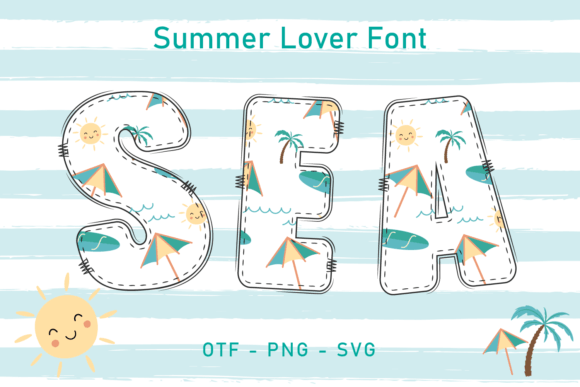
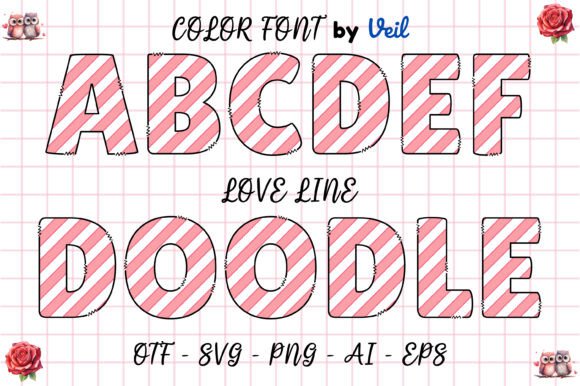
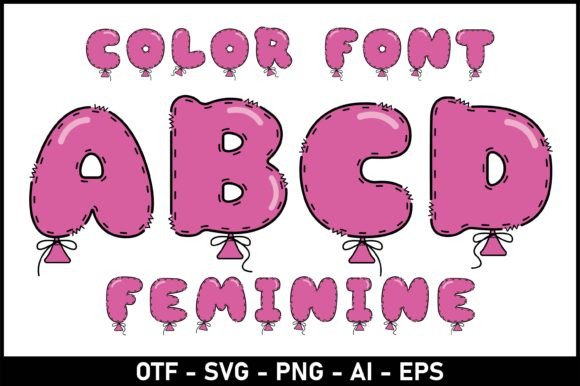
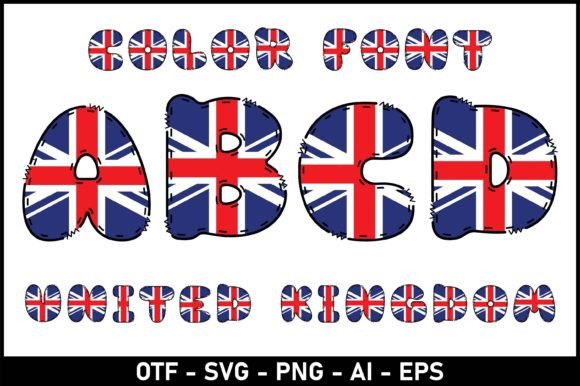
A comprehensive font family often includes multiple styles—like regular, bold, italic, or even alternate characters. Reviewing these options gives you more creative flexibility. Furthermore, check technical compatibility. For instance, a font like Twill may come in different file formats. It’s important to note that while the standard black version might be compatible with cutting machines like Cricut Design Space, a color version of the font typically requires specific design software such as Adobe Photoshop or Illustrator. Always verify compatibility with your tools before purchasing to ensure a smooth workflow.
Understand Commercial Licensing
If you’re using a font for a business, client work, or products you sell, you must ensure you have the correct commercial license. Most premium fonts are sold with licenses that specify allowed uses. Carefully review the licensing terms to understand what is permitted, whether for a single project, multiple clients, or merchandise. This step is crucial for professional and legal peace of mind.
Choosing a typeface is a fundamental design decision that influences how your audience perceives your message. A font like Twill offers a wonderful way to infuse projects with warmth, creativity, and a distinct personality. By thoughtfully applying it to the right contexts and pairing it with complementary typefaces, you can create designs that are not only visually appealing but also strategically effective in connecting with your audience.