Cake Font: Sweetening Your Designs with Handmade Charm
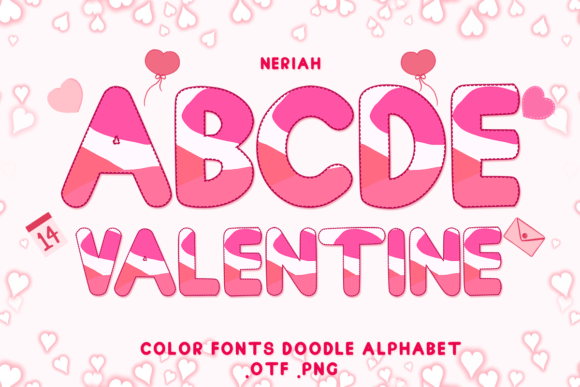
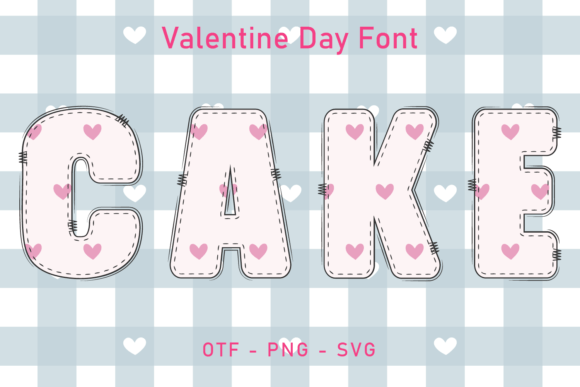
There's something undeniably joyful about a font that wears its personality on its sleeve—or in this case, on its letterforms. Cake isn't just another typeface; it's a hand-drawn color font bursting with Valentine's Day patterns, playful details, and a warmth that instantly makes designs feel approachable. If you've ever struggled to find a font that feels genuinely handmade without sacrificing versatility, this one deserves a closer look.
A Typeface That Tells a Story
What sets Cake apart from the hundreds of decorative fonts available is its deliberate, pattern-filled aesthetic. Each letter is crafted with intricate details—hearts, florals, and whimsical motifs that evoke the spirit of Valentine's Day. But here's the thing: despite its thematic roots, this font transcends a single holiday. The patterns work beautifully for wedding stationery, boutique branding, bakery packaging, and any project that calls for a touch of sweetness and sincerity.
The hand-drawn quality gives it an organic, imperfect charm that polished sans-serif fonts simply can't replicate. When you set a headline in Cake, it feels personal—like someone actually took the time to craft each character by hand. That authenticity resonates with audiences who are increasingly drawn to brands and creators that feel real and human.
Where This Font Truly Shines
Let's talk practical applications, because a beautiful font only matters if you can actually use it effectively. Cake excels in scenarios where you want to inject personality and warmth without crossing into juvenile territory.
Branding and Logo Design: For small businesses in the lifestyle, beauty, food, or wedding industries, Cake offers an instant visual identity. A bakery logo set in this font communicates handmade quality before a customer even tastes a cupcake. Wedding planners can use it across their entire brand system—from business cards to website headers—to establish a cohesive, romantic aesthetic.
Packaging and Product Design: Imagine Cake on the label of artisan chocolates, scented candles, or handmade soaps. The font's patterned details become part of the product experience, turning simple packaging into something customers want to photograph and share. It's the kind of typography that sparks word-of-mouth marketing organically.
Social Media Graphics: In a feed full of generic templates and overused fonts, Cake stops the scroll. Use it for Instagram quotes, Pinterest pins, sale announcements, or Valentine's Day promotions. The color version is particularly striking here—its built-in patterns eliminate the need for additional design elements, keeping your graphics clean but visually rich.
Invitations and Print Materials: Whether you're designing baby shower invitations, bridal shower signage, or a boutique's seasonal flyer, this font brings a handmade elegance that pre-made templates can't match. The black version works perfectly for standard print runs, while the color version adds impact for digital invitations or high-end printed pieces.
Merchandise and Digital Products: Think tote bags, mugs, greeting cards, digital planners, or printable wall art. Cake's decorative nature makes it ideal for products where typography is the star of the design rather than a supporting player.
Understanding the Two Versions
Here's where practical knowledge matters. Cake comes in two distinct versions, and understanding the difference will save you frustration and ensure your projects turn out as intended.
The black version is your workhorse for cutting machines. It's fully compatible with Cricut Design Space and similar software, making it perfect for vinyl decals, iron-on transfers, paper crafts, and any project where you need clean, single-color output. If you're a crafter selling custom signs, tumblers, or apparel through Etsy or local markets, this version integrates seamlessly into your existing workflow.
The color version is where the magic really happens—but it comes with specific requirements. The intricate patterns and multi-color details require design software that supports advanced font rendering: Adobe Photoshop, Adobe Illustrator, Silhouette Studio, and Inkscape are confirmed compatible. If you're working in Canva, Microsoft Word, or most web-based design tools, the color version simply won't display as intended. The OTF and TTF color files are not compatible with Cricut, so plan your workflow accordingly.
This distinction matters more than most people realize. I've seen designers purchase color fonts only to discover their preferred software can't render them properly. Before committing to a project built around the color version, test it in your specific software environment first.
Pairing Cake with Other Fonts
A display font like Cake works best when it has breathing room—and that means thoughtful font pairing. Because its letterforms are detailed and pattern-heavy, you'll want to balance it with something simpler and more legible for body text.
A clean sans-serif font like Montserrat, Open Sans, or Lato creates a pleasing contrast without competing for attention. For projects that lean more romantic or editorial, a light serif like Playfair Display or Lora can complement Cake's handmade quality while maintaining readability in longer passages.
The golden rule: use Cake sparingly. It's designed for headlines, logos, short phrases, and display text—not for paragraphs or detailed product descriptions. When you reserve it for moments of visual impact, it maintains its charm rather than overwhelming the viewer.
Test your pairings at actual size before finalizing anything. What looks balanced on a large monitor might feel cramped on a business card or illegible on a mobile screen. Print a test sheet. View it on your phone. Walk away and come back with fresh eyes. These small steps prevent costly reprints and design revisions down the road.
Commercial Use and Licensing Considerations
If you're using Cake for client work, merchandise, or any project that generates revenue, pay close attention to the licensing terms. Most premium fonts include specific allowances and restrictions for commercial use, and decorative fonts like this one sometimes have nuanced licensing around physical products versus digital goods.
Review the license agreement before you start designing, not after. Some licenses limit the number of physical products you can sell, restrict use in certain digital formats, or require an extended license for large-scale commercial applications. Understanding these details upfront protects your business and respects the work of the type designer who created the font.
Making the Most of a Handmade Aesthetic
Cake belongs to a growing category of handwritten and decorative fonts that reflect a broader design trend: the hunger for authenticity. In a landscape saturated with sleek, corporate typography, hand-drawn fonts signal warmth, craftsmanship, and human connection. They work particularly well for brands targeting audiences who value artisanal quality, personal touches, and visual storytelling.
That said, restraint is everything. The most effective uses of Cake pair it with plenty of white space, complementary neutral colors, and clean supporting typography. Let the font do the talking without shouting. A single headline in Cake against a minimalist layout creates far more impact than an entire design built from decorative elements.
Consider your audience's expectations carefully. A children's party planner can lean into the font's playful patterns more heavily than a luxury jewelry brand, which might use it only for seasonal campaigns or specific product lines. Context determines whether a decorative font elevates your design or dilutes your message.
The best typography decisions come from understanding what you're trying to communicate, who you're communicating with, and how the visual language supports that conversation. Cake gives you a distinctive voice for projects that need personality, warmth, and a handmade touch—use it thoughtfully, and it will reward you with designs that genuinely connect.